You might expect an Egyptian living in Sofia to feel a long way from home. But again and again, Bulgaria surprises me with how familiar it feels: at the table, in the language, and in the way people look after each other.
Sarmi, meet mahshi
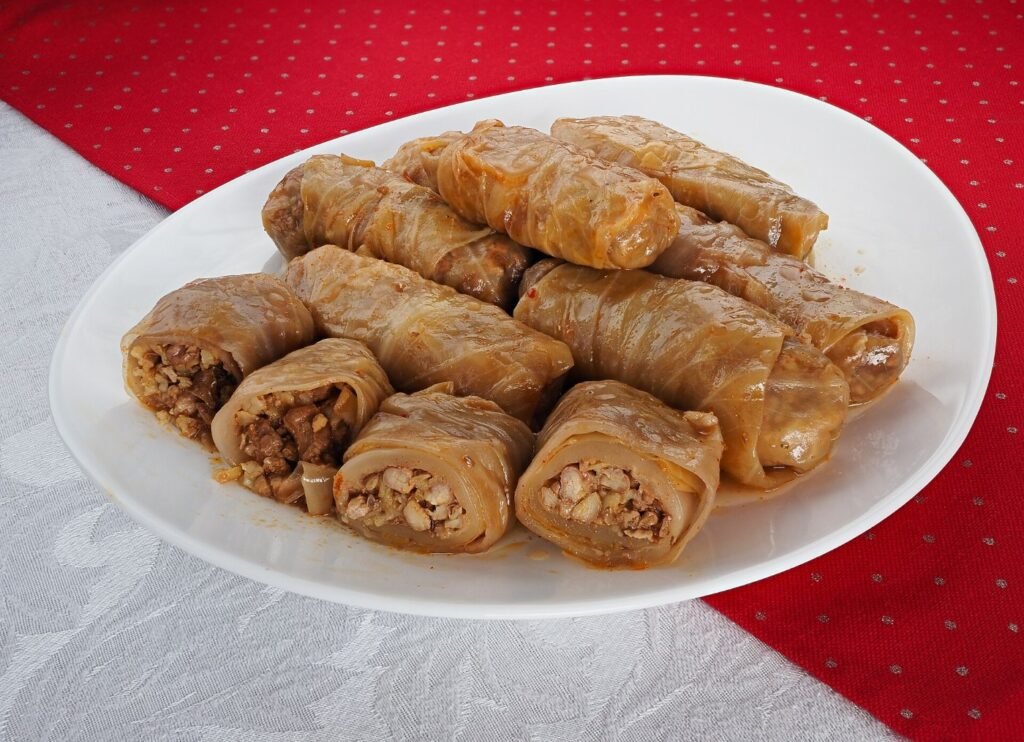
The first time I thought “wait, we have this at home” was with sarmi: vine or cabbage leaves rolled around rice, exactly like the mahshi I grew up with in Egypt. Different name, different spices here and there, but the same idea and the same patience it takes to roll dozens of them by hand.
Banitsa and feteer
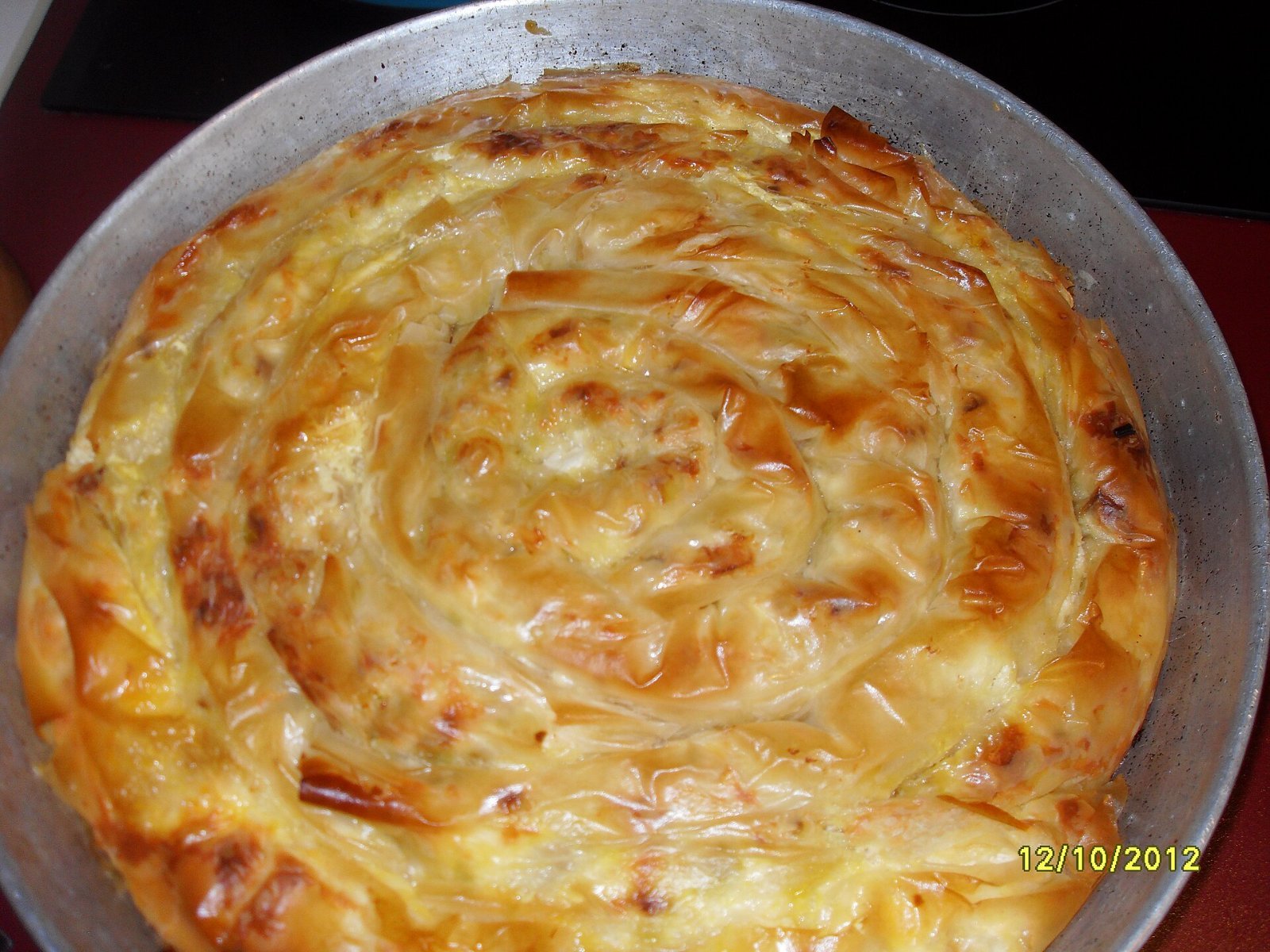
Then came banitsa. Thin layers of pastry, cheese, butter, baked until golden. To me it is a close relative of Egyptian feteer. Bulgarians eat it for breakfast, at celebrations, on ordinary days; I understood the love for it immediately.
Mashallah, tamam, shanta
The first shared word I noticed was mashallah. I hear it in Bulgaria all the time, and it never stops sounding familiar. Then I started hearing more: everyday words for a bag, soup, a pocket, soap. Many of them came into both languages through Turkish, and several go back to Arabic in the first place.
| Bulgarian | Egyptian Arabic | Meaning |
|---|---|---|
| машала (mashala) | mashallah | an expression of praise or admiration |
| тамам (tamam) | tamam | exactly, just right |
| чанта (chanta) | shanta | bag |
| чорба (chorba) | shorba | soup |
| джоб (dzhob) | geib | |
| сапун (sapun) | sabun | soap |
| кибрит (kibrit) | kabreet | matches |
| кюфте (kyufte) | kofta | meatballs |
| халва (halva) | halawa | halva |
| бакшиш (bakshish) | baksheesh | a tip |
A mother-in-law who thinks I’m too thin
Hospitality here works the way I know it. My mother-in-law believes I am never eating enough. Whenever she sees me, she decides I need more food, and when I visit, she makes sure I eat more than everyone else at the table. In her eyes I am always underfed. Any Egyptian reading this knows exactly that kind of love.
Envy, luck and the evil eye
Even the beliefs feel familiar. The ideas around envy, luck and protecting yourself from the evil eye are very similar to what I grew up with in Egypt. Different words, the same instinct.
The honest difference: friendships
Not everything is the same. For me, the biggest difference is how quickly friendships grow. In Egypt it is very easy to make friends and to connect with people on a deep level. In Bulgaria you can make friends too, don’t get me wrong. But in my experience, in the same amount of time, those friendships don’t get as deep as the ones I would make in Egypt.
Maybe it takes longer here, or maybe I am still learning how it works. Either way, it is the one place where I notice the distance between the two cultures.
Why so close?
Part of the answer is history. Bulgaria was under Ottoman rule for roughly five centuries, from the late 1300s until 1878, and Egypt was part of the Ottoman world too. That long shared chapter left traces in the food, in everyday words, and in customs on both sides.
The other part, in my experience, is simpler: in both places, feeding a guest is how you show you care.
What this means if you visit
If you are Egyptian and coming to Bulgaria, you may feel at home faster than you expect. Try the sarmi and the banitsa, and accept the second helping. And if you are Bulgarian and visiting Egypt one day, the mahshi and feteer will be waiting for you.
Sources and credits
- Shared vocabulary: “Turkish Borrowings in Bulgarian Lexis”
- Historical background: Britannica, “Turkish yoke”
- Banitsa: Photo: Sheku80, CC BY-SA 3.0, via Wikimedia Commons
- Stuffed cabbage rolls: Photo: Petar Milošević, CC BY-SA 4.0, via Wikimedia Commons